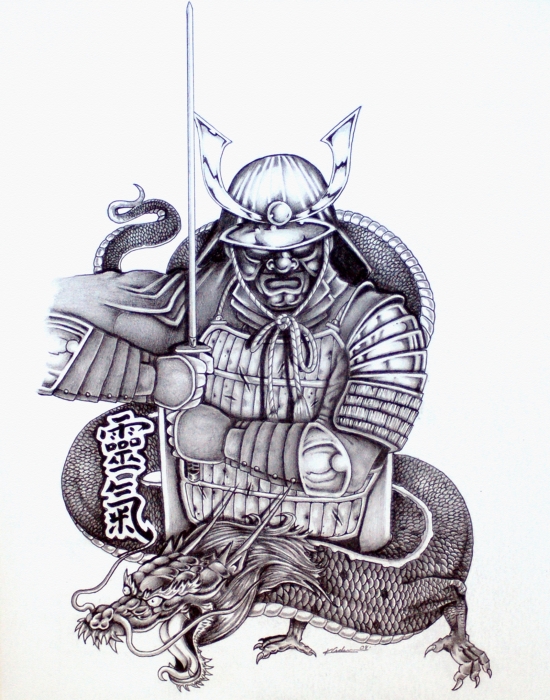

 this tattoos very popular for all human...............

 The paper describes a technique for mapping out the "language areas" of the brain in individual people, not for their own sake, but as a way of improving other fMRI studies of language. That's important because while everyone's brain is organized roughly the same way, there are always individual differences in the shape, size and location of the different regions.
 These are the language areas of each person. (Incidentally, this is why fMRI, despite its limitations, is an amazing technology. There is no better way of measuring this activation. EEG is cheaper but nowhere near as good at localizing activity; PET is close, but it's slow, expensive and involves injecting people with radioactivity.)
 The most robust activations were on the left side of the brain, and they formed a nice "V" shape again. These are the areas which have long been known to be involved in language, so this is not surprising in itself.
 Fedorenko et al claim various advantages to this technique, and present data showing that it produces nice results in independent subjects (i.e. not the ones they used to make the group map in the first place.)
 Fedorenko, E., Hsieh, P., Nieto Castanon, A., Whitfield-Gabrieli, S., & Kanwisher, N. (2010). A new method for fMRI investigations of language: Defining ROIs functionally in individual subjects Journal of Neurophysiology DOI: 10.1152/jn.00032.2010
The paper describes a technique for mapping out the "language areas" of the brain in individual people, not for their own sake, but as a way of improving other fMRI studies of language. That's important because while everyone's brain is organized roughly the same way, there are always individual differences in the shape, size and location of the different regions.These are the language areas of each person. (Incidentally, this is why fMRI, despite its limitations, is an amazing technology. There is no better way of measuring this activation. EEG is cheaper but nowhere near as good at localizing activity; PET is close, but it's slow, expensive and involves injecting people with radioactivity.)The most robust activations were on the left side of the brain, and they formed a nice "V" shape again. These are the areas which have long been known to be involved in language, so this is not surprising in itself.Fedorenko et al claim various advantages to this technique, and present data showing that it produces nice results in independent subjects (i.e. not the ones they used to make the group map in the first place.)Fedorenko, E., Hsieh, P., Nieto Castanon, A., Whitfield-Gabrieli, S., & Kanwisher, N. (2010). A new method for fMRI investigations of language: Defining ROIs functionally in individual subjects Journal of Neurophysiology DOI: 10.1152/jn.00032.2010
Fedorenko, E., Hsieh, P., Nieto Castanon, A., Whitfield-Gabrieli, S., & Kanwisher, N. (2010). A new method for fMRI investigations of language: Defining ROIs functionally in individual subjects Journal of Neurophysiology DOI: 10.1152/jn.00032.2010
The paper describes a technique for mapping out the "language areas" of the brain in individual people, not for their own sake, but as a way of improving other fMRI studies of language. That's important because while everyone's brain is organized roughly the same way, there are always individual differences in the shape, size and location of the different regions.These are the language areas of each person. (Incidentally, this is why fMRI, despite its limitations, is an amazing technology. There is no better way of measuring this activation. EEG is cheaper but nowhere near as good at localizing activity; PET is close, but it's slow, expensive and involves injecting people with radioactivity.)The most robust activations were on the left side of the brain, and they formed a nice "V" shape again. These are the areas which have long been known to be involved in language, so this is not surprising in itself.Fedorenko et al claim various advantages to this technique, and present data showing that it produces nice results in independent subjects (i.e. not the ones they used to make the group map in the first place.)Fedorenko, E., Hsieh, P., Nieto Castanon, A., Whitfield-Gabrieli, S., & Kanwisher, N. (2010). A new method for fMRI investigations of language: Defining ROIs functionally in individual subjects Journal of Neurophysiology DOI: 10.1152/jn.00032.2010


Accompanied by Boy 8, the act will appear at Bed Supperclub on Thursday May 6 between 10pm and 2am. Entry plus two drinks will set you back 900 baht.

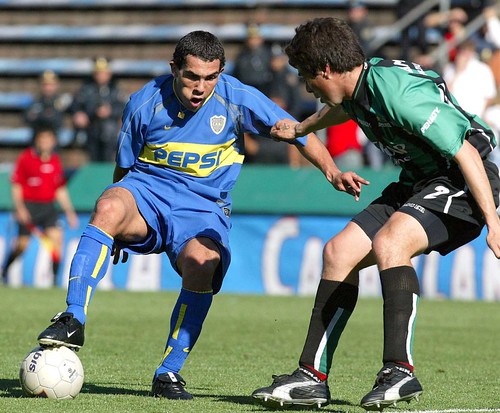 carlos tevez
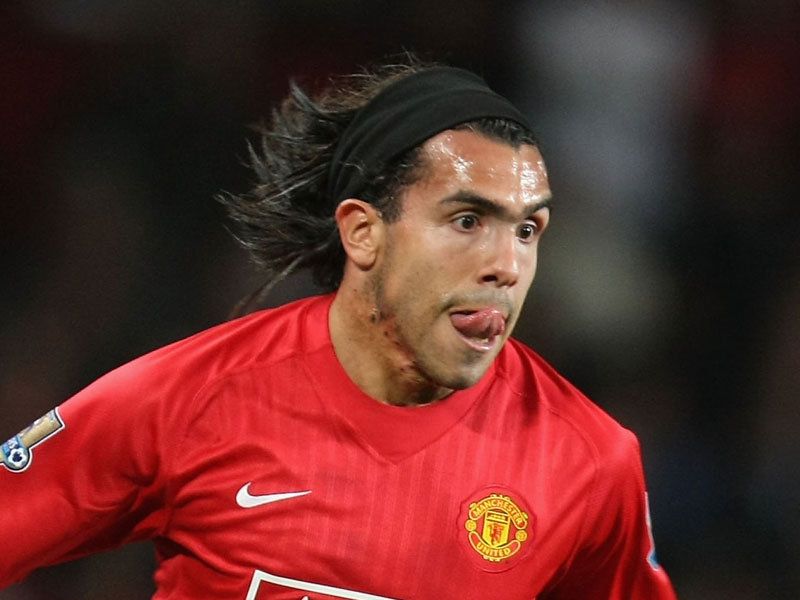 carlos tevez top photo gallrey
 carlos tevez
 carlos tevez
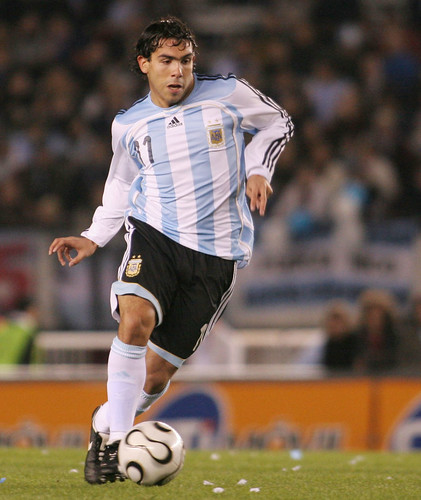 carlos tevez
.jpg) carlos tevez wayne rooney
carlos tevez wayne rooney carlos tevez t
 carlos tevez
Source: Wikipedia
In nature, most soft-shelled turtles reside in bodies of water with soft mud or sandy bottoms where they bury themselves and away passing prey.Source: Chelonia.org
 maria sharapova hot
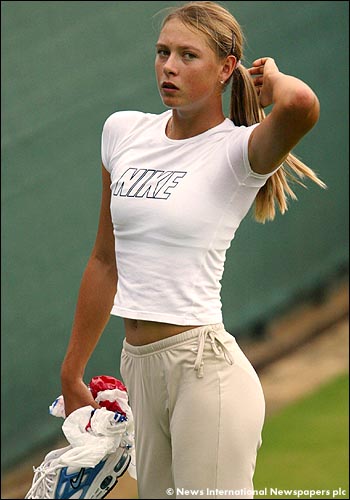 maria sharapova hot
 maria sharapova hot
 A quick post to recommend the 2007 book Head Trip, by Jeff Warren.A quick post to recommend the 2007 book Head Trip, by Jeff Warren.


Along Vibhavadi-Rangsit road, riot squads fired into the air to push protesters back but several tried to remove the razor wire, prompting troops to level their rifles and shoot directly at protesters who fled into oncoming traffic. Police huddled behind riot shields, while soldiers wielding rifles took up positions behind concrete pylons. A heavy afternoon downpour halted the fighting, at least temporarily.
The confrontation was chaotic and at one point security forces fired on a group of troops riding toward them on motorbikes in what appeared to be an accident, although some members of the security forces have been accused of siding with the protesters. At least four motorbikes crashed and one soldier was carried away on a stretcher, bleeding profusely from the head. Several others from the group threw their hands in the air.
"We brought force out to stop them. At this point, society finds it unacceptable to have protesters traveling in a motorcade like this," Sansern said. "We try our best to prevent losses."
Answer: Kinda! He was born near Paris in 1809 and was blind by the age of 3. But it wasn't genetic!
Louis became blind by accident, when he was 3 years old. Deep in his Dad's harness workshop, Louis tried to be like his Dad, but it went very wrong; he grabbed an awl, a sharp tool for making holes, and the tool slid and hurt his eye. The wound got infected, and the infection spread, and soon, Louis was blind in both eyes.That is the answer to the question, but now you are probably wondering when he invented Braille. Get ready for some interesting information!
He stayed at his old school for 2 more years, but he couldn't learn everything just by listening. Louis got a scholarship to the Royal Institution for Blind Youth in Paris when he was 10. But even there, most of the teachers just talked at the students. The library had 14 huge books with raised letters that were very hard to read. Louis was impatient.Source: American Foundation for the Blind
Then in 1821, a former soldier named Charles Barbier visited the school. Barbier shared his invention called "night writing," a code of 12 raised dots that let soldiers share top-secret information on the battlefield without even having to speak. Unfortunately, the code was too hard for the soldiers, but not for 12-year-old Louis!
Louis trimmed Barbier's 12 dots into 6, ironed out the system by the time he was 15, then published the first-ever braille book in 1829. But did he stop there? No way! In 1837, he added symbols for math and music. But since the public was skeptical, blind students had to study braille on their own. Even at the Royal Institution, where Louis taught after he graduated, braille wasn't taught until after his death. Braille began to spread worldwide in 1868, when a group of British men, now known as the Royal National Institute for the Blind, took up the cause.